In a recently published article, researchers from the University of Glasgow and Queen Elizabeth University Hospital in Glasgow report that they successfully used an advanced MRI scanning technique to detect early-stage mesothelioma tumors. The ability to find tumors too small to spot easily with standard imaging offers hope for earlier diagnosis, when the asbestos-related cancer is most treatable.
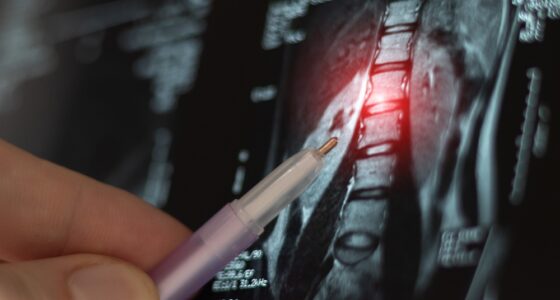
Study Tests MRI Technique’s Ability to Identify Mesothelioma
The MRI study, published in Radiology: Cardiothoracic Imaging, documented the movement of a contrast dye through patients’ chest tissues to provide clues about whether abnormal areas might be mesothelioma or other pleural cancers. Between 2013 and 2016, 58 participants, mostly males with an average age of 76 and suspected of having pleural cancer, underwent the special scans.
The process was successful in 47 of the 58 patients, with doctors finding cancer in 29 people (62%), 24 of whom were diagnosed with pleural mesothelioma. The tumors that were identified were extremely small: 20 of the 24 patients (83%) were diagnosed with stage I disease, which is the earliest stage and the point at which treatment is most effective.
Combining Multiple Scan Features Improves Mesothelioma Diagnosis Accuracy
The Scottish researchers measured three things about how the dye moved: Ktrans, which is how fast the dye entered the tissue from blood; Ve, which is how much space the dye filled in the tissue; and kep, which is how fast the dye left the tissue. The process was compared to watching water soak into different sponges: tissue containing mesothelioma cells absorbs and releases the dye differently than healthy tissue, and this gave doctors the clues they needed to detect the disease.
By contrast, when the researchers used just one measurement at a time, mesothelioma detection rates were less impressive: Ktrans caught 73% of cancers, Ve caught 83%, and kep caught 87%, but diagnostic accuracy got much better when researchers combined the dye measurements with two other scan features: how the tissue looked structurally and how quickly it lit up when dye first arrived. This triple-check approach caught 100% of mesothelioma cases and correctly identified everyone who didn’t have cancer when all three tests were negative. Unfortunately, the detection method also flagged many benign tumors as potentially worrisome, delivering multiple false alarms. This makes it better as a screening tool to identify those who need more testing than as a tool for making a final mesothelioma diagnosis.
Early Mesothelioma Detection Could Save Lives
This innovative study offers those at risk for mesothelioma real hope for finding their tumors early enough for treatment to have the greatest positive effect. For information on other breakthrough discoveries and resources, contact the Patient Advocates at Mesothelioma.net today. You can reach us at 1-800-692-8608.
