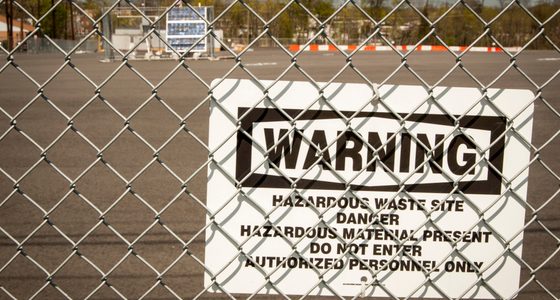
Ever since mesothelioma was definitively linked to asbestos, prevention efforts have included new strategies for disposal of the toxic mineral. The EPA has capped asbestos-contaminated Superfund sites with soil, believing that by burying the fibers, they would stay locked in place. Unfortunately, a 2021 study published by Stanford geologist Jane Willenbring and UCLA engineer Sanjay Mohanty in 2021 suggested that process may be making things worse, sending the carcinogenic mineral into groundwater, and more recent report confirms their findings
Mesothelioma Risk from an Unexpected Pathway
For decades, scientists thought burying asbestos would not be an effective way to contain the material without creating a mesothelioma risk. Reinforced by a 1977 EPA report, they believed that the mineral’s fibers were too long and hair-like to travel through soil. To test the truth of that idea, the Stanford/UCLA team used soil from the notorious BoRit Superfund Site in Ambler, Pennsylvania. That waste dump, located near a reservoir and a stream that supplies Philadelphia, they found that in soil without dissolved organic matter, almost no asbestos moved through, but in soil with fulvic acid added, about 10% of the fibers passed through the soil column.
This information is especially troubling for mesothelioma advocates, as it means that the buried asbestos could end up being released into the air. Asbestos remediation crews often add compost, manure, or biosolids to capped sites to encourage plant growth, but the researchers found that organic material alters the electric charge on asbestos fibers, making them less sticky. Being more mobile, the fibers can reach groundwater and streams where irrigation or a drying riverbed could end up sending them airborne. Showers and humidifiers using unfiltered water are other possible routes to inhalation.
Asbestos Research Continues After Mesothelioma Risk is Identified
When the Stanford study first appeared, the scientists planned to sample groundwater and soil near asbestos Superfund sites to learn whether nearby communities face real-world mesothelioma risk. Meanwhile, international research has added to the concern. A 2026 study in Italy’s Mount Reventino region found asbestos fibers in both surface water and groundwater, identifying groundwater as a potential dispersal pathway and calling for stronger monitoring.
For mesothelioma prevention, these discoveries point to a better solution. The researchers found that different organic materials have different impacts. Fulvic acid had the strongest effect, followed by humic acid, and cleanup planners could avoid the worst offenders. Willenbring’s team also studied how soil fungi and bacteria might help, as they contain natural compounds that bind iron. Those materials pulled iron out of chrysotile fibers, which matters because iron in asbestos is linked to the DNA damage behind mesothelioma.
This research is a reminder that covered up does not mean safe. If you or someone you love has been diagnosed with mesothelioma or another asbestos-related disease, the Patient Advocates at Mesothelioma.net are here to help. Contact us today at 1-800-692-8608 to learn more.
